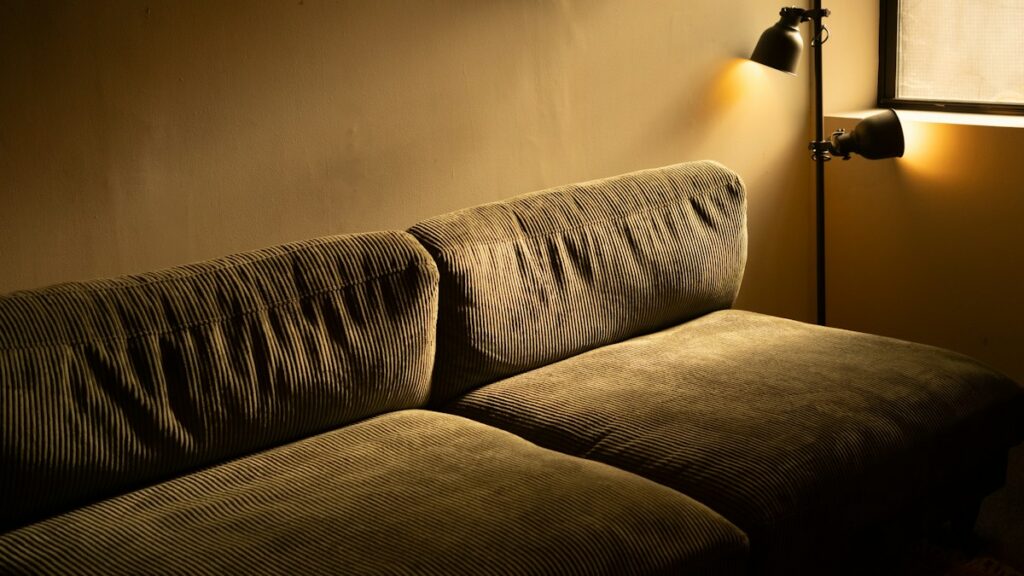

Smart lighting is most useful when it solves everyday problems rather than simply changing colors. In a small living room, bedroom, or multipurpose studio, the right combination of task, ambient, and accent light can make one space work for reading, video calls, movie nights, and winding down.
You do not need dozens of bulbs to get started. A few well-chosen fixtures, clearly named in your app, can create predictable scenes that everyone in the household understands.
Start With Three Layers of Light
Ambient light provides general visibility, usually from a ceiling fixture or an indirect lamp. Task light targets work areas, such as a desk or reading chair. Accent light adds depth behind furniture or on a shelf. In a compact room, a dimmable ceiling light, one adjustable floor lamp, and one small accent light are often enough to experiment with all three layers.
Place lights to avoid visible glare on screens and harsh reflections in mirrors. Before buying connected bulbs, confirm whether the existing wall switches cut power completely. A smart bulb cannot respond to an app command if its power has been switched off.
Scene 1: Bright, Even Light for Cleaning
Create a Cleaning scene that turns on all relevant fixtures at a neutral or cool-white setting with fairly high brightness. The aim is to see dust, spills, and obstacles rather than create atmosphere. Test the setting during the daytime and after dark; a room with north-facing windows can need a different balance from a room with strong afternoon sun.
Scene 2: Focused Light for Reading or Work
Your Focus scene should prioritize the desk or reading chair. Increase the task lamp while keeping surrounding lights comfortable and low enough to reduce screen reflections. If your bulbs support color-temperature adjustment, try a neutral white and change it according to personal comfort. Do not assume one color temperature is best for every person.
Scene 3: Gentle Light for Evenings
An Evening scene uses softer ambient light, preferably from lamps rather than an overhead source shining directly into your eyes. Warm-toned settings can feel more relaxing, but brightness and direction matter at least as much as color. Avoid dramatic automation changes while someone is moving around stairs or obstacles.
Scene 4: Low-Glare Movie Lighting
For Movie Time, turn off lights that reflect in the television and leave a small amount of indirect light behind or beside the screen. This keeps the room navigable without competing with the picture. If you use LED strips behind furniture, secure the strip properly, follow the manufacturer’s power rating, and avoid covering ventilation openings.
Scene 5: Safe Nighttime Navigation
A Night Path scene should illuminate the floor route toward a hallway or bathroom without flooding the whole room. Start at a low brightness and test visibility from the doorway. Motion sensors can help, but give them a short delay before turning lights off and avoid triggering full-brightness lights during the night.
Make Your Scenes Reliable
- Use clear names such as Living Room – Focus rather than generic labels like Scene 1.
- Assign different triggers for overlapping routines; a motion rule and an evening schedule should not fight over the same bulb.
- Choose a manual fallback. Household members should still be able to turn on a useful light without a smartphone.
- Test dimming at the lowest setting. Some lamps or bulb-and-dimmer combinations may flicker or fail to switch on.
- Keep firmware current, and check device sharing so guests do not accidentally change your entire home.
Simple Setup Checklist
Begin with one room and two scenes, then add more only after the controls feel natural. Take a photo of each fixture’s label and record which app or hub controls it. If you plan to automate additional appliances through plugs, read our smart plug setup guide first to check electrical limitations.
Bottom line: Effective smart lighting is about predictable illumination for real activities. Design for comfort, safety, and manual control before experimenting with complicated effects.
Related Smart Home Finds guides
About the Author
Safira Salsabila
Smart Home Gadget Guides
Safira Salsabila is an editorial pen name used by the Smart Home Finds team for practical smart home gadget guides, smart lighting, and everyday device setup. Articles published under this byline focus on clear explanations, useful checklists, and real-world considerations that help readers make informed decisions. Content is prepared and reviewed by the editorial team. This byline does not imply an individual professional certification or independently verified personal testing experience.
This content is published through the editorial process of Smart Home Finds. Editorial pen names identify writing roles and do not constitute verified personal identity, employment history, or professional credentials.


