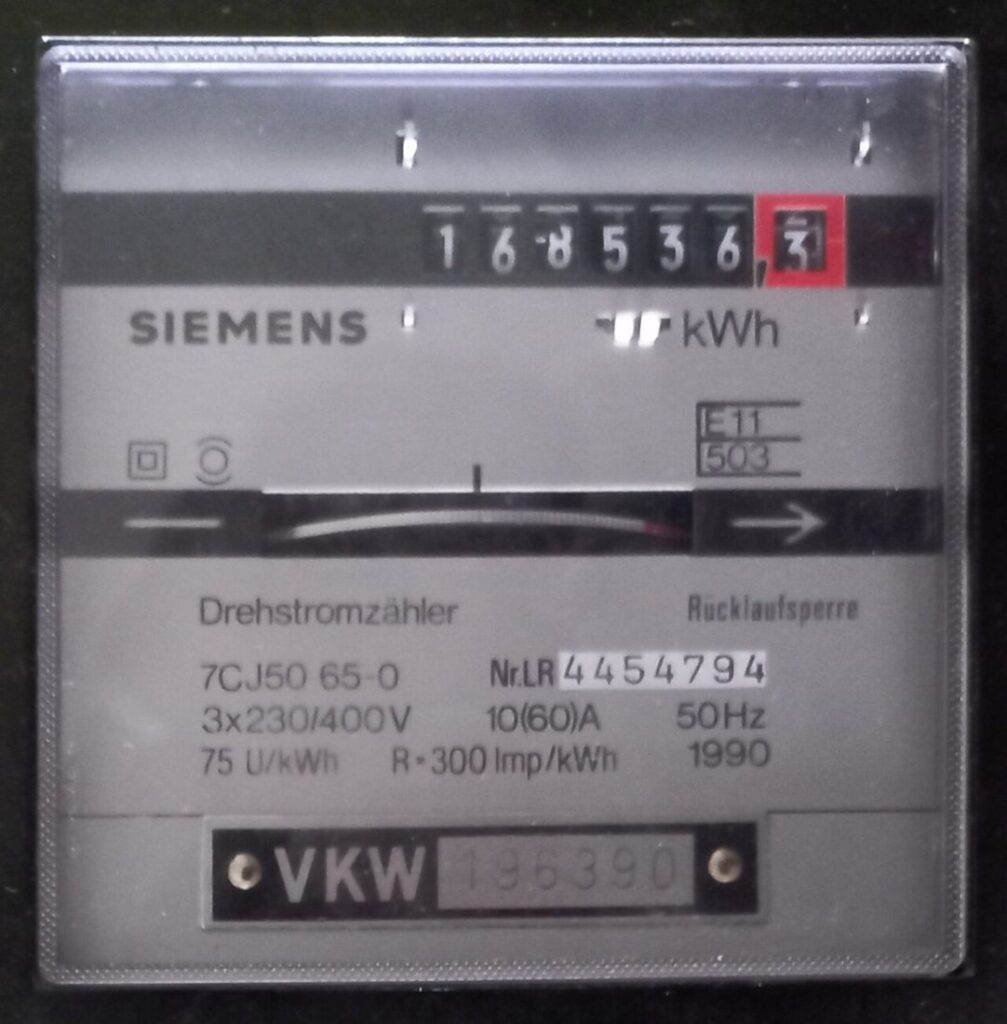
Understand watts, kilowatt-hours, measurement limits, and safe ways to compare household appliance use through a smart plug.
Separate power from energy before reading the chart
An app may display both watts and kilowatt-hours, but these are different measurements. Watts describe power at a particular moment, while kilowatt-hours describe energy used over time. A device drawing 100 watts continuously for ten hours consumes about one kilowatt-hour in an idealized example. Real appliances may cycle between different power levels, so a momentary reading cannot always predict a full day’s energy use. Understanding this distinction makes charts more useful and prevents incorrect conclusions from a single screenshot.
Check whether the plug actually supports monitoring
Some smart plugs are designed only for on-off control and do not measure electricity use. Others provide instant power readings but limited history, while some track cumulative energy by day or month. Check the exact model’s specifications and the meaning of its data fields. Do not assume every app’s graph represents the same measurement. For a practical starting point, the smart plug energy monitoring guide explains common ways these readings are used at home.
Remember that readings have limits
Consumer smart plugs are not necessarily billing-grade instruments. Their accuracy may vary by model and load, and low-power devices can be particularly difficult to compare. Measurement history may also reset when a plug is moved, replaced, or disconnected. Use the figures to recognize patterns rather than claiming exact savings from one short test. For household electricity bills, the supplier’s meter and billing rules remain the authoritative basis. A smart plug is primarily a diagnostic aid.
Compare one variable at a time
If you want to learn how an appliance behaves, measure it under similar conditions over comparable periods. Note whether it was used for the same purpose, at the same setting, and for roughly the same duration. For example, comparing two different days of an entertainment system is not meaningful if one day included several extra hours of use. Keep a small log of relevant changes. Patterns become clearer when the surrounding conditions are described, even if the absolute readings are imperfect.
Do not put unsafe appliances on a plug for testing
Electrical safety comes before curiosity about a graph. Always respect the plug’s rated load, manufacturer restrictions, and suitable installation environment. Avoid stacking adapters or connecting an appliance that exceeds the plug’s limits. If the appliance has a high starting load or is used for heating, check explicit compatibility first. For a broader view of planning and controlling connected outlets, read how smart plugs help track appliance use. Monitoring is only useful when the setup remains safe.
Turn observations into sensible decisions
A monitoring chart might reveal that a device remains active for longer than expected, or that its energy use changes when a setting changes. The next step is to understand why, not immediately replace the appliance. Some standby loads are small; reducing them may offer less benefit than improving a larger, frequently used load. Avoid promises of a fixed percentage saving without actual comparable measurements. The best outcome is a clearer picture of household habits and better-informed decisions about convenience and efficiency.
Foto utama: Asurnipal. Lisensi CC BY-SA 4.0.


